


Last weekend I tried a new title on my laptop that claimed to run at 4K 60 fps—without a console or a high‑end GPU. The loading bar disappeared after a single 8‑second buffer, and I was in the game before the pizza arrived. That moment summed up why cloud gaming feels like a cheat code for the modern gamer.
Why Latency Matters More Than Bandwidth
Early streaming services promised “no lag,” but the reality was a 30‑second delay that made first‑person shooters unplayable. Today, major providers such as Xbox Cloud Gaming and NVIDIA GeForce Now report average round‑trip latency of 25 ms on fiber connections, which is roughly the same as a local console on a 1080p TV. The key metric isn’t how many megabits per second the stream uses—most titles run comfortably at 15 Mbps—but how quickly the server can translate a button press into an on‑screen action.
For players with a 100 Mbps cable plan, the difference between 15 Mbps and 30 Mbps is barely noticeable. However, a 25 ms ping can be the line between a clutch win and a missed headshot. Companies are therefore investing in edge data centers located within 20‑30 km of major metros to shave milliseconds off the round‑trip time.
Hardware Savings That Add Up
In my own setup, the cost of a dedicated gaming PC would be about $1,200, plus a $100 yearly upgrade for a new graphics card. By subscribing to a cloud tier at $14.99 per month, I’ve saved roughly $600 in the first year and avoided the hassle of driver updates. The savings become more pronounced when you factor in electricity: a typical gaming rig draws 300 W under load, while a laptop streaming from the cloud uses under 50 W.
That said, the model isn’t universal. Users in rural areas with 5‑10 Mbps DSL connections still experience compression artifacts and occasional frame drops. For them, a modest desktop may still be the more reliable choice.
Content Libraries Are Finally Catching Up
Three years ago, the biggest cloud catalog offered about 150 titles, mostly indie releases. Today the combined libraries exceed 1,000 games, including recent AAA launches like Cyberpunk 2077 and Elden Ring. Subscription plans typically grant access to the entire catalog, while pay‑per‑hour options let you rent high‑performance sessions for $1‑$2 per hour.
- New releases appear within 48 hours of their console launch.
- Cross‑platform saves let you continue a session on a phone, then pick up on a TV.
- Family accounts allow up to four simultaneous streams, making the service a shared household asset.
Where Cloud Meets Other Digital Entertainment
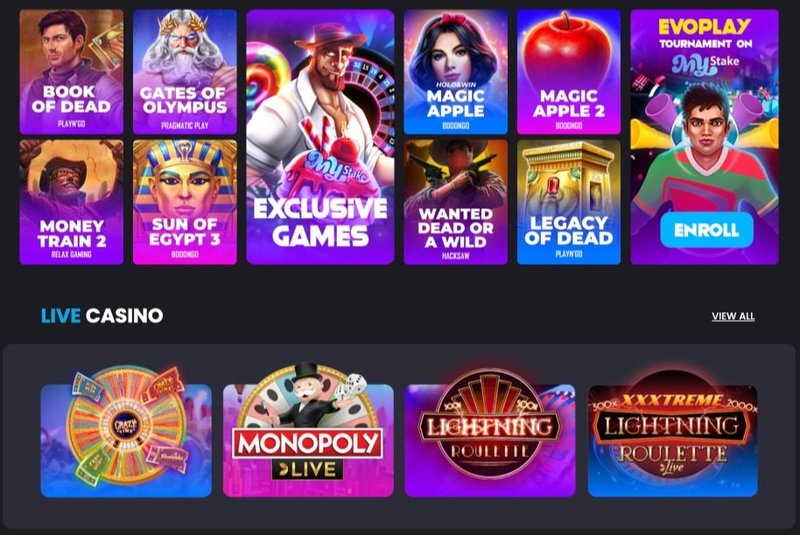
It’s easy to see cloud gaming as a standalone trend, but it dovetails with broader streaming habits. Just as we binge‑watch shows on demand, we now binge‑play titles without ever installing them. This convergence has even nudged traditional gambling platforms to explore interactive experiences. For a quick diversion, you can try out some casino games that run directly in the browser, illustrating how streaming tech blurs the line between gaming and other forms of online entertainment.
Practical Tips for Getting Started
1. Test your connection with a speed test that measures both download speed and ping. Aim for at least 15 Mbps and sub‑30 ms latency.
2. Use a wired Ethernet connection when possible; Wi‑Fi can add 5‑10 ms of jitter that feels like a lag spike.
3. Start with a free trial—most services offer a 7‑day window—to see how your favorite genre performs under real conditions.
4. Keep your device’s graphics drivers updated, even though the heavy lifting happens in the cloud; local rendering still affects UI responsiveness.
Looking Ahead: What the Next Five Years Might Hold
Industry forecasts suggest that by 2030, over 40 % of gamers will have tried cloud gaming at least once a week. The rollout of 5G networks will shrink latency to under 10 ms in dense urban areas, making mobile VR streaming feasible. Meanwhile, developers are beginning to design games with “stream‑first” architecture, optimizing assets for real‑time compression rather than local storage.
Until those advances become mainstream, the best approach is simple: test your current setup, choose a service that matches your play style, and let the cloud handle the heavy lifting. The rise of cloud gaming isn’t just a novelty; it’s a practical shift that can lower costs, expand access, and keep the gaming experience fluid—no matter where you sit.
Frequently Asked Questions
What is cloud gaming?
Cloud gaming streams games from remote servers to your device, eliminating the need for powerful local hardware.
How does latency affect gameplay in cloud gaming?
Low latency ensures smooth, responsive controls, especially important for fast‑paced shooters; high latency can cause noticeable input lag.
Why is bandwidth not the only concern for cloud gaming?
While bandwidth provides the data rate, latency determines how quickly those packets arrive; both are needed for a good experience.